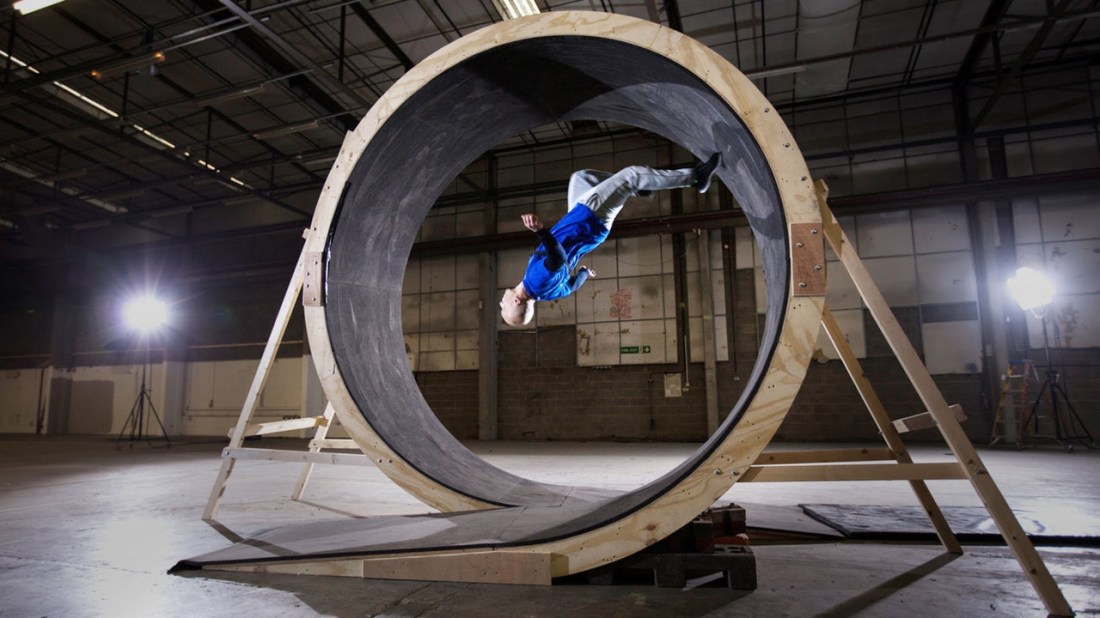
What is happening here is the water is allowed a steady flow without any change in pressure. It’s like an open top container with a lot of water in it so the hole doesn’t need to compensate pressure by sucking in air, which is what make the usual wiggly water effects you’re used to.
Yep. This is called laminar flow. It has nothing to do with the camera’s frame rate or shutter speed like what some people are claiming in the notes.
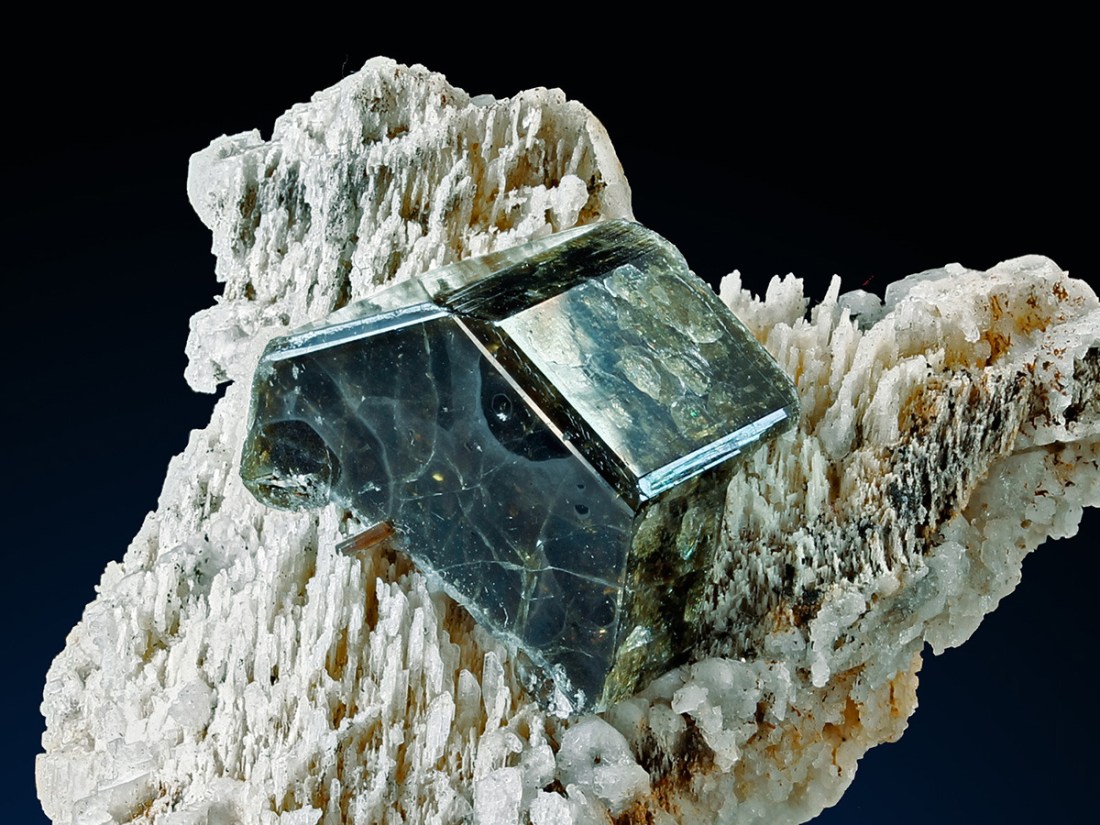
‘This is not from any newer or recent find in Sapo Mine, this is very old material from an old collection in Vienna, discovered in the early 80s. It looks different to Sapo, habit is more blocky, crystals are more thick and color is much darker, nearly black but with dark olive green color. It seems to have an internal structure. What you see is not on the surface, no cracks or damages – these are internal reflections.’
domestication syndrome is one of the coolest findings from recent genetics
Yes!
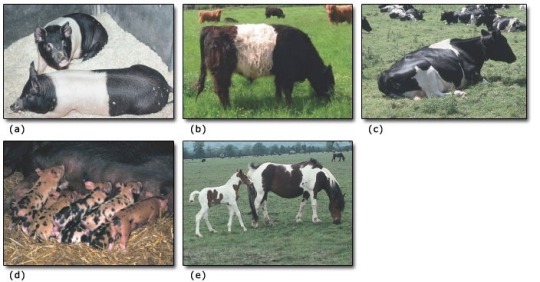
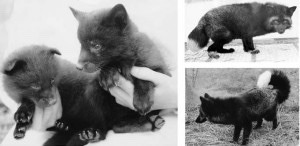
Basically scientists have found that if you start selecting for people-friendly animals, you see a bunch of hypothetically unrelated traits start showing up in all sorts of mammal species: floppy ears, piebald/patterned coats, etc.
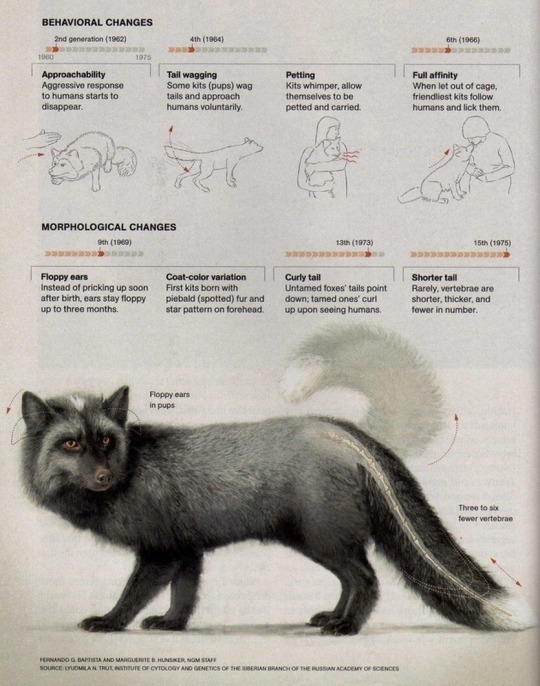
This is true for everything from cows to dogs to rats! One of the coolest long term studies on this has been the Russian fox experiments.
So essentially the science goes like this:
You have two copies of every genes, one from each parent.
We tend to simplify genetics, and say that for every single gene you have it is random,l coin flip which copy you pass on to you offspring. We also tend think of genes as a 1:1 ratio of genes—>traits.
But! This is not quite the case.
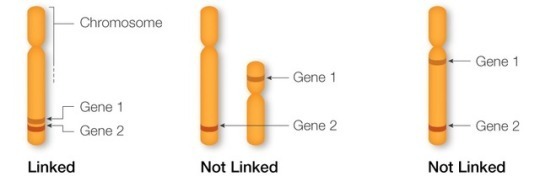
Genes have a specific physical location and order relative to each other on your chromosomes, and the chance of genes being inherited together goes up the closer together they are located. This means random, unrelated traits can wind up being more commonly inherited together in specific patterns just because those genes are located close together, and you don’t get that completely random reshuffling of two parent’s traits. Some of them tend to stay “stuck” together.
This is called linkage, and it’s why you often see red hair, pale skin, and freckles together, for example.
The second factor that plays into this is that a lot of times 1 gene affects several different traits (or several different genes affect 1 trait). This means that sometimes you really *can’t* untangle two traits because they have a similar cause. For example, say genes for increased aggression are responsible both for making a spider a better hunter (pro) and making a spider more likely to eat its offspring (con). Because the same gene is the cause of both things, natural selection can’t really untangle them.
Circling back to the redhead/freckles/pale skin example, these traits are affected by a number of different genes, but also one gene in particular: MCR1, a gene that changes how your body responds to hormones promoting melanin production. Again, one gene related to pigment production can affect a BUNCH of different traits. (And also skin cancer risk. Fun!)
Domestication Syndrome in mammals turns out to be due to both linkage and genes affect by multiple traits!
See, when we domestic animals we want them to be friendlier/less aggressive, which normally translates to less FEARFUL.
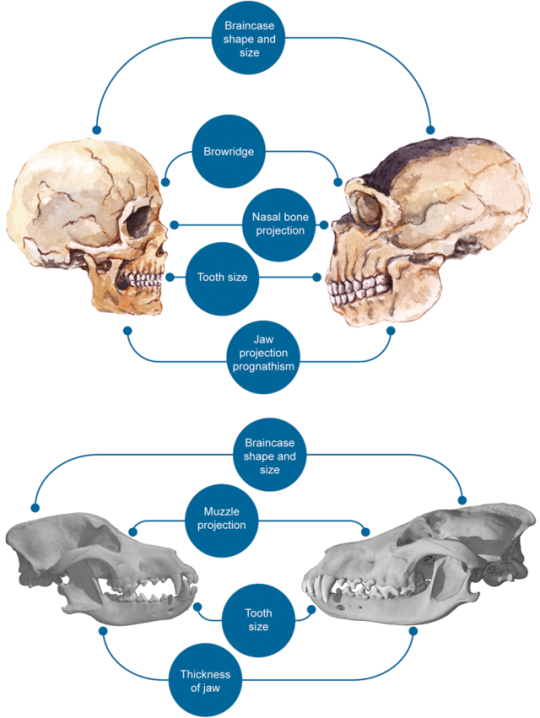
And it turns out that the same genes involved in adrenal responses and other stress reactions are also involved in melanin, cartilage, and bone production. So when we domesticate animals we get these recurring changes in pigmentation (white patches, piebald costs), floppy ears (cartilage), shorter muzzles and other changes in physical stature (bone growth), etc.
We also wind up selecting for a lot of neotenic genes in general— that is, retention of childhood traits into adulthood. That’s because baby animals tend to have lots of friendly/trusting/biddable/curious traits we are looking for.
And honestly, who can say no to a face like this?
ps, since it was mentioned:
the same genes involved in domestication probably help animals form social groups in general. if you need to get along with and trust strangers you need a decrease in the panic/aggression genes.
cats, for example, probably domesticated themselves when they started living close to each other and to humans to feed off of pests in grain silos.
and yeah, some some recent theories suggest humans may have ‘domesticated’ themselves:
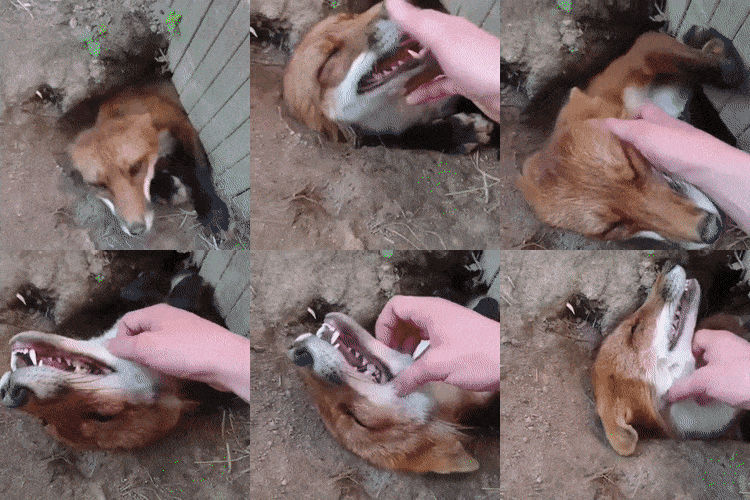
so basically you’re saying that when we breed animals to be friends, they become friend-shaped.




 artherra